


Rolifyx is a high-tech enterprise specializing in the research, development, production, sales, service, and operation of organic silicon polymer materials. We continuously provide customers with organic silicon materials using innovative technologies and high-quality products. We also offer tailor-made solutions based on customer requirements to better modify liquid silicone gel and provide the best possible solutions to meet customer needs. They have particularly outstanding advantages in the innovation of organic liquid foam rolls, sheets, foamed silicone strips, foamed silicone rings, thermal conductivity, sealing, encapsulation, room temperature vulcanization rubber, research, and production technologies.Rolifyx's organic silicon material products are known for our innovation and environmentally friendly nature. Our organic silicon materials are used in various industries such as automotive new energy enclosures, battery packs, battery cells, high-speed rail, aviation, medical equipment, electronics, toys, furniture, waterproof power modules, LED lighting, electronic appliances, construction, and others, providing excellent products.

Why Choose Us
01
Rich experience
We have experienced engineers and scientists who are committed to pushing the boundaries of liquid silicone rubber technology. Through unity and collaboration, we have successfully developed high-performance, multifunctional liquid silicone rubber products that are widely used in industries such as electronics, medical, and industrial sectors.
02
Professional team
Our professional technical team operates with precision under modernized processes and is dedicated to innovative research and development.Our team is a creative and skilled team dedicated to research and innovation in the field of liquid silicone rubber.
03
Quality Control
Our liquid silicone rubber factory is equipped with advanced production equipment and a strict quality control system. The clean and safe production workshops are meticulously planned to ensure efficient operations and excellent quality.
04
Keep On-Time and Safe Delivery
Rolifyx ensures uninterrupted weekly production status reports and delivers professional logistics services to guarantee the timely arrival of your silicone foam, supporting your production without causing any delays.
Related Product
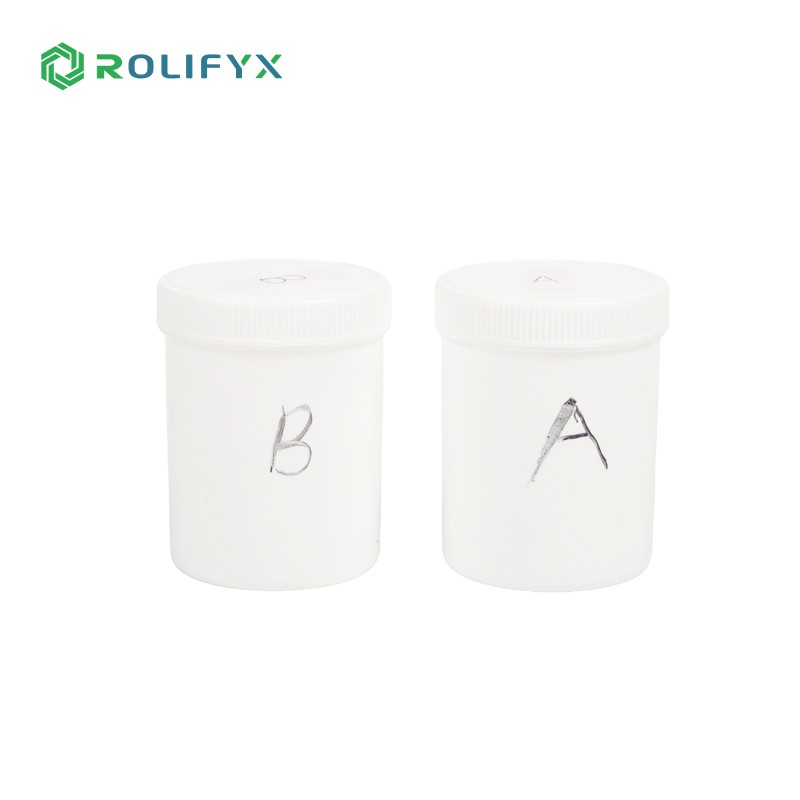
Thermally Conductive Gap Filler
1. Two-Component Formulation
2. Enhanced Thermal Conductivity
3. Comprehensive Thermal Management
4. Quick Curing Time
5. Adaptable to Varying Gaps
6. Versatile Application
7. Customizable Properties
8. Consistent Mixing Ratio

Silicone Encapsulation Electronics
1.High and Low Temperature Resistance
2.Excellent Electrical Insulation
3.UV Resistance
4.Excellent Light Transmittance
5.Environmental Stress Resistance
6.Fast Curing
7.Outstanding Adhesion
8.Repair without leaving traces

Silicone Potting Compound For Electronics
1. Two-component Formulation
2. Exceptional Sealing Properties
3. Superior Thermal Conductivity
4. Flexible and Durable
5. Electrical Insulation
6. Optimal Flow Properties
7. Accelerated Curing
8. Customizable Formulation

1. Excellent Environmental Protection
2. Flexible and Durable
3. Optimal Adhesion
4. Wide Temperature Range
5. Efficient Curing Process
6. Versatile Application
7. Enhanced Electrical Insulation
8. Chemical Resistance

Silicone For LED Encapsulation
1. High Temperature Resistance
2. Outstanding Light Transmittance
3. Good Adhesion
4. UV Resistance
5. Chemical Stability
6. Possessing a certain degree of flexibility
7. Exhibiting good electrical insulation performance
8. Rapid Curing

Potting And Encapsulating Silicone
1. Two-Component Formulation
2. Versatile Potting Material
3. Flexibility and Durability
4. Excellent Flow Properties
5. Moisture and Chemical Resistance
6. Temperature Stability
7. Easy Mixing and Application
8. Reliable Environmental Protection
What is Liquid Silicone For PCB
Liquid Silicone For PCB is a two-component system, where long polysiloxane chains are reinforced with specially treated silica. Component a contains a platinum catalyst and component b contains methylhydrogensiloxane as a cross-linker and an alcohol inhibitor. The primary differentiator between liquid silicone rubber (lsr) and high consistency rubber (hcr) is the "flowable" Or "liquid" Nature of lsr materials. While hcr can use either a peroxide or a platinum curing process, lsr uses only additive curing with platinum. Due to the thermosetting nature of the material, liquid silicone rubber injection molding requires special treatment, such as intensive distributive mixing, while maintaining the material at a low temperature before it is pushed into the heated cavity and vulcanized.
Benefits of Liquid Silicone For PCB
Biocompatibility
Liquid Silicone For PCB is safe for prolonged contact with living tissues and bodily fluids. This property is crucial for medical applications, where implants, devices, and equipment must meet stringent biocompatibility standards.
Chemical Resistance
Liquid silicone rubber demonstrates excellent resistance to various chemicals, including oils, solvents, and cleaning agents. This is critical for applications where exposure to aggressive substances is inevitable, such as industrial machinery, chemical processing equipment, and medical devices.
Electrical Insulation
Liquid Silicone For PCB is a preferred material for insulating electrical and electronic components. Its high dielectric strength and resistance to electrical breakdown make it suitable for cable insulation, electrical connectors, and circuitry encapsulation.
Flexibility
This material can easily conform to intricate shapes and contours; its elastomeric nature allows it to stretch and compress without permanent deformation. It can also maintain flexibility over time, ensuring reliable performance in demanding environments.
Heat Resistance
Liquid Silicone For PCB exhibits remarkable heat resistance, retaining its mechanical properties and dimensional stability across a broad temperature range. This ensures the reliability and longevity of LSR-based products in demanding thermal environments, contributing to their widespread adoption in various industries.
Optical Clarity
Certain formulations of Liquid Silicone For PCB offer exceptional optical clarity, allowing light to pass through with minimal distortion. This feature is essential for applications requiring transparent or translucent components, such as lenses, light guides, and optical sensors.
Types of Liquid Silicone For PCB
General Purpose LSR
This is a widely used material with extensive applications due to its flexibility, biocompatibility, and heat resistance. Typical uses of general purpose LSR type include seals, gaskets, and industrial components.
High-Temperature LSR
High-temperature liquid silicone rubber materials can withstand extreme heat exposure without degrading or compromising its qualities. Common applications of this LSR include industrial equipment, automotive parts, and electronic components.
Medical Grade LSR
This type of liquid silicone rubber is formulated to meet the strict biocompatibility and safety requirements for medical and healthcare products. Medical grade LSR materials are sterilizable and biocompatible, making them suitable for applications that require contact with the human body.
Self-Bonding LSR
Self-bonding LSR material exhibits excellent properties of adhering to itself without using other adhesives. Therefore, it is perfect for making complex assemblies without depending on traditional bonding techniques.
Food-Grade LSR
The food grade is similar to the medical grade LSR. It meets strict requirements for contact with food and beverages. Baby products, baking molds, and kitchen utensils are typical food-grade liquid silicone material applications.
Electrically Conductive LSR
It contains electrostatic discharge (ESD) additives that offer electrical conductivity properties. This grade is commonly used in applications with electrical conductivity and flexibility of silicone rubber requirements, including EMI/RFI shielding and flexible circuits.
Application of Liquid Silicone For PCB
Aerospace
Seals, gaskets, and other aircraft components that can withstand temperature extremes and other harsh conditions make the material appropriate for many aerospace applications.
Automotive
The durability and heat resistance of liquid silicone makes it a common material for connectors, gaskets, and seals, while it's also reliable in lower temperatures and deals well with vibrations.
Consumer goods
The soft texture and ability to easily accept pigments give liquid silicone rubber an appealing feel and look for items like kitchenware and products for babies, while its durability and flexibility make it great for wearable devices that expose the material to a variety of conditions.
Electronics
Connectors, keypads, and other parts that require electrical insulation are often made with the material due to their heat and chemical resistance, which makes them more reliable and longer lasting.
Electronics
Connectors, keypads, and other parts that require electrical insulation are often made with the material due to their heat and chemical resistance, which makes them more reliable and longer lasting.
Healthcare
Since it handles sterilization processes well, liquid silicone is widely used in the fabrication of prosthetics, along with medical implants and other devices used in the healthcare sector.
Renewable energy
Wind turbines and solar panels use seals, gaskets, and other components made from the material, as liquid silicone rubber resists severe weather and other extreme environmental conditions, including extreme temperatures and ultraviolet radiation.
Properties of Liquid Silicone For PCB
Tasteless and Odorless
Liquid Silicone For PCB rubber is ideal for different applications, especially for food and beverage and baby products, because it has no taste or odor. Hence, you can easily formulate it to meet the strict FDA standards for these applications.
Biocompatibility
Unlike other elastomers, Liquid Silicone For PCB rubber has higher bacterial-resistant properties and doesn't corrode or stain other materials. After extensive testing, LSR exhibits excellent compatibility with body fluids and human tissue. It is an ideal choice for skin-contact products since it is hypoallergenic.
Chemical Resistance
Liquid Silicone For PCB rubber materials can withstand oxidation, water, and chemical solutions like alkalis and acids. Besides, it is compatible with sterilization processes such as e-beam, ethylene oxide (ETO), steam autoclaving, gamma, and several other methods compatible with medical and healthcare products.
Transparency and Pigmentation
Naturally, Liquid Silicone For PCB rubber is translucent. Its inherent color is white and suitable for pigmentation for creating custom, molded products in different colors.
4 Tips for Choosing a PCB Liquid Silicone Molding Company

High reputable manufacturer
Reputable silicone rubber factories can often provide good product quality, responsible service attitude, product prices are more in line with market conditions, no malicious irrigation, no price cut competition, stable delivery, and other advantages, so as to have a certain reputation, and These advantages can bring quite substantial help to customers. Generally, such high-quality silicone factories rely on word-of-mouth or peer-to-peer referrals, and it is more difficult to search through unfamiliar markets. And this kind of unobtrusive core value is also difficult to see from the Internet or e-commerce platforms. It is necessary to actually cooperate and observe carefully in order to gain a deep understanding.
Professional and technical team
A professional and technical team should consider the background of the silicone factory. The official website is the best way to initially judge the supplier's physique. Although not all silicone factories will publish their own core technologies on the website, but from the company's fortune history Or the motivation and product content introduction and the value areas that the company focuses on can still be understood. Such silicone factories usually have rich and professional knowledge in the selection of silicone raw materials and processing steps, and even insist on them, and can propose the best process suggestions, which indirectly saves the cost and time of customer development.
Advanced and comprehensive equipment
If a worker wants to do a good job, he must first sharpen his tool. Where the silicone factory is willing to invest manpower and capital shows what the company cares about most. It can be imagined that old equipment or process technology that is not up to date will result in poor product quality, low production efficiency, and prolonged delivery time. Companies that do not care about these details often do not pay attention to technological innovation or may avoid challenges and thus indirectly reflect a relatively negative attitude towards cooperation. The more common active silicone factories are often keen to participate in equipment exhibitions or technical forums held by relevant industries to exchange the latest intelligence and market information, of course, including new production processes.
Rich practical experience
Having rich practical experience must be an important part of the silicone factory. After all, a product needs to be executed in an experienced silicone factory from mold design to production. Experienced engineers or teachers can avoid low-level mistakes to the greatest extent. Or solve the checkpoint problem in real-time, which greatly shortens the time required for the trial and error process, and also allows customers to avoid many wrong paths. Talent is definitely the most important asset of a company. Generally speaking, a company with a sound system, a good culture, and a proactive company also has the lowest turnover rate, so that employees can continuously accumulate relevant practical experience.
Process of Liquid Silicone For PCB
Prepare Material
You can prepare uncured liquid silicone in two containers connected to the pumping system. One container holds the base-forming material, whereas another container houses the catalyst, typically platinum based. Both two materials are pumped through a static mixer by a metering pump. Before the material enters the static mixer section, an additional color pigment and other additives can be added. The two compounds must be mixed in a 1 to 1 ratio.
Inject the Material into Mold
The material is heated and injected into the mold cavity under high pressure through a nozzle. After filling the mold cavities, the material takes the shape of the molds. The mold decides the shape of the liquid silicon rubber products. Injecting the Liquid Silicone mixture into the mold cavity under high pressure can ensure it fills the needed details and features.
Curing Process
After filling the mold, it is heated to begin the curing process. This converts the liquid silicone rubber substance into a solid silicone rubber part. The size and complexity of the parts or products determine the curing time.
Cooling and Demolding
After the Liquid Silicone have undergone sufficient cooling, they should be removed and separated from the molds. This is commonly accomplished through the utilization of automated systems. However, a worker is responsible for removing the parts in manual molding operations characterized by less sophistication and smaller production volumes. The occurrence of flashing in Liquid Silicone molding is quite infrequent, mostly because of the inherent properties of Liquid Silicone.
Post-molding Secondary Operations
Post-molding secondary operations may be necessary following the demolding and parts removal process. In general, post-molding secondary operations are conducted after the completion of the molding process. Secondary operations encompass a range of jobs such as slitting, printing, marking, assembling, post-curing, etc.
Cleaning and Washing: Maintaining the Integrity of Liquid Silicone For PCB
The Science of Cleaning Liquid Silicone
Cleaning Liquid silicone products might appear straightforward, yet there's a scientific rationale behind it. Silicone's non-porous surface and hydrophobic nature reduce the likelihood of moisture absorption and microbial growth. Thus, it's crucial to adopt cleaning practices that align with these properties.
Choosing the Right Cleaning Agents
Mild dish soap and warm water emerge as the ideal combination for cleaning Liquid silicone items. The gentle yet effective action of dish soap aids in removing oil, grease, and food residues. Importantly, the non-abrasive nature of dish soap prevents damage to the silicone's surface. However, it's imperative to avoid aggressive cleaning agents, which can compromise Liquid silicone's structural integrity.
The Balance of Bacteria and Cleaning
Interestingly, Liquid silicone's natural resistance to bacteria might lead some to believe that cleaning isn't a priority. However, while silicone does deter bacterial growth, regular cleaning prevents the accumulation of organic matter that could provide a breeding ground for microbes. This aligns with a holistic approach to maintenance, balancing the innate qualities of Liquid silicone with a proactive stance against potential hygiene concerns.
Lengthening Lifespan through Proper Cleaning
Statistics reveal a compelling argument for proper cleaning-Liquid silicone items that are well-maintained exhibit a significantly longer lifespan than those subjected to haphazard care. A study conducted over a span of two years reported a 30% increase in the durability of Liquid silicone kitchen utensils through adherence to consistent cleaning practices. This data underscores the correlation between meticulous care and prolonged usability.
Factory Pictures


