


Silicone for LED Encapsulation
Silicone for LED Encapsulation offers cutting-edge features as a leading LED encapsulation solution. This LED Encapsulation Silicone Rubber provides superior thermal stability, ensuring optimal LED performance. As an advanced LED Encapsulant Material, it boasts excellent UV resistance, safeguarding LEDs from environmental elements.
LED Encapsulation Silicone Rubber
The versatility of LED Silicone Materials is highlighted through outstanding electrical insulation properties, crucial for protecting LED components. Silicone for Electrical applications within LED technology ensures reliable, long-lasting performance. Its seamless adhesion, flexibility, and high transparency make it an ideal choice, meeting stringent industry standards. Choose Silicone for LED Packaging that excels in durability, weather resistance, and overall performance in diverse LED applications.
High Temperature Resistance
This silicone typically exhibits excellent resistance to high temperatures, maintaining stability in the elevated temperature environment generated during LED operation.
Outstanding Light Transmittance
To preserve the luminous efficiency of LEDs, this silicone usually possesses high transparency, ensuring that light can propagate through the silicone.
Good Adhesion
Capable of securely adhering to LED chips and other components, ensuring a stable encapsulation effect.
UV Resistance
Featuring resistance to ultraviolet radiation, this silicone can slow down the aging process, extending the operational lifespan of LED encapsulation.
Chemical Stability
This silicone generally demonstrates good chemical stability, being resistant to chemical erosion and protecting LED components from the influence of external environments.
Flexibility
Possessing a certain degree of flexibility, it can adapt to the shape and encapsulation requirements of LED components, providing effective protection.
Electrical Insulation
Exhibiting good electrical insulation performance, ensuring that LED components are not affected by electrical interference during the encapsulation process.
Rapid Curing
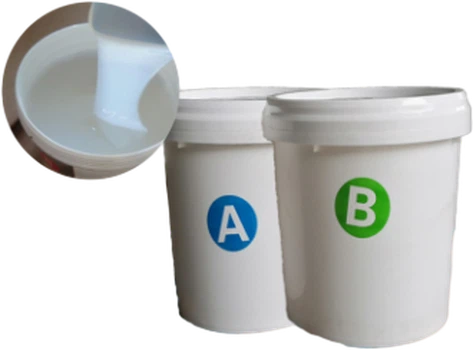
As a Two-component Potting Compound, it typically has a fast curing time, contributing to increased production efficiency.
Advantages 1
Waterproof │ Fireproof │ Shock Absorption │ Insulation │ Sealing │ Thermal Insulation.
Advantages 2
Excellent flame retardancy, meeting the UL94V0 flame retardant level and the strictest EN4 5545 smoke-free environmental protection level.
Advantages 3
Resistant to high and low temperatures, low density, lightweight, with a fine and uniform aperture, suitable for a temperature range of -50° to +250°.
Advantages 4
Convenient viscosity, flowability, and self-deaeration for encapsulating complex electronic components, can be poured into intricate areas.
Advantages 5
Components sealed with detachable seals can be removed for repair and replacement, and then repaired with this encapsulation gel without leaving any traces.
Advantages 6
The mixed material has a relatively long storage time at room temperature, but can quickly cure under heating conditions, facilitating use on automated production lines.
Advantages 7
No shrinkage during the curing process, with superior waterproof and moisture-resistant, and anti-aging performance.
Advantages 8
UV-resistant, ozone-resistant, low-smoke, non-toxic.
|
Two-component Silicone Potting Compound |
Hardness |
Product model |
Density (g/cm³) |
High and low-temperature embrittlement |
Flame retardancy |
Environmental protection testing |
Classic application scenarios |
|
3 Times |
zwxc-681 |
0.35±0.05 |
Passes -55°C to 250°C |
UL94﹣V0 |
ROHS, REACH Compliant |
Pouring and Filling |
|
|
5 Times |
zwxc-682 |
0.55±0.05 |
Passes -55°C to 250°C |
UL94﹣V0 |
ROHS, REACH Compliant |
Pouring and Filling |
|
|
7 Times |
zwxc-883 |
0.70±0.08 |
Passes -55°C to 250°C |
UL94﹣V0 |
ROHS, REACH Compliant |
Pouring and Filling |
LED electronic adhesive is suitable for the encapsulation of high-power LEDs and surface-mount LEDs, or for filling transparent lenses. It is an ideal encapsulation material for electronic components, circuit boards, stabilizers, and other electronic products.
Outdoor Lighting
Ensures weather resistance and prolongs LED life in outdoor fixtures.


Display Screens
Enhances light transmission and UV protection for improved display longevity.
Automotive Lighting
Provides thermal stability and protection for LED in automotive applications.


Street Lighting
Withstands harsh environmental conditions, maintaining LED efficiency over time.
Electronic Signs
Protects LED modules from moisture and environmental factors, ensuring reliability.


Architectural Lighting
Offers thermal management and longevity for LED in architectural designs.
Industrial Lighting
Enhances LED durability in demanding industrial environments.


Residential Lighting
Improves LED lifespan and performance in various home lighting applications.
Traffic Signals
Ensures consistent LED performance in traffic and signal lighting systems.


Emergency Lighting
Enhances reliability and longevity in emergency lighting fixtures.
Silicone for LED Encapsulation distinguishes itself as a two-component liquid silicone, and its differences and advantages over one-component liquid silicone can be summarized as follows
Curing Mechanism
Two-Component Silicone:
Requires mixing of base and catalyst components before application, providing precise control over the curing process. Curing initiates upon mixing.
One-Component Silicone:
Cures upon exposure to air or moisture without the need for mixing.
Performance Characteristics
Two-Component Silicone:
Tends to offer enhanced mechanical, thermal, and electrical properties, ensuring improved stability and protection for LED components.
One-Component Silicone:
Generally simpler in composition, suitable for less demanding applications.
Versatility and Customization
Two-Component Silicone:
Allows for versatile formulations to meet specific application requirements, providing flexibility in tailoring properties.
One-Component Silicone:
Typically has a standardized composition, limiting customization options.
Application Process
Two-Component Silicone:
Requires a mixing step before application, which may add complexity but offers more control over the curing time.
One-Component Silicone:
Simpler application process as it cures spontaneously upon exposure, but with less control over curing parameters.
Efficiency in Production
Two-Component Silicone:
Despite the mixing step, can offer faster curing times, contributing to improved production efficiency.
One-Component Silicone:
Generally straightforward in terms of application but may have longer curing times.
Adhesive Properties
Two-Component Silicone:
Often exhibits superior adhesion to diverse substrates, ensuring a robust encapsulation effect.
One-Component Silicone:
Adhesion properties may vary and could be less versatile.
Rolifyx is a distinguished manufacturer and supplier specializing in "Silicone for LED Encapsulation." With our state-of-the-art factory, we are committed to providing a comprehensive, customized service to global retailers.

1. Fully Automated Production Lines
Leveraging cutting-edge technology, Rolifyx operates fully automated production lines. This ensures precision, consistency, and efficiency in the manufacturing process. The automation not only enhances the quality of our silicone products but also enables us to meet the demands of a rapidly evolving LED market with agility.
2. Robust Technical Team
Our success is underpinned by a highly skilled and experienced technical team. Comprising experts in silicone technology, materials science, and LED applications, our team collaborates to innovate and optimize products. This ensures that our clients receive cutting-edge solutions tailored to their specific needs.


3. Environmental Sustainability
Rolifyx is committed to environmental responsibility. Our silicone formulations adhere to stringent environmental standards, and we continuously seek ways to minimize our ecological footprint. By adopting eco-friendly practices in our manufacturing processes and product development, we contribute to a sustainable future.
Q: Is silicon good for LED?
Q: How does silicon contribute to the thermal management of LED?
Q: Can silicon effectively protect LEDs from environmental factors and extend their lifespan?
Q: How does silicon enhance the optical performance of LED?
Q: Does silicon provide electrical insulation for LED components?
Q: Are there any specific considerations for using silicon in different LED configurations?


