


How to Manufacture Two-Component Potting Compound
Two-component potting compound (also known as two-component epoxy potting compound or polyurethane potting compound) is a material used for the protection and encapsulation of electronic components. The manufacturing process typically includes the following steps:
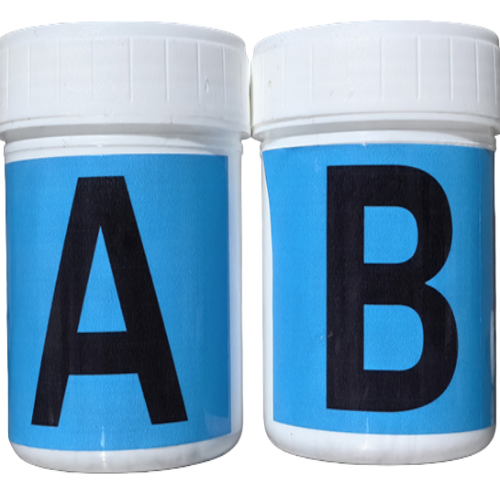
- Component A (usually resin): Includes epoxy resin or polyurethane resin, etc.
- Component B (usually curing agent): Includes amine curing agents or isocyanate curing agents, etc.
- Fillers: Such as silica powder, calcium carbonate, quartz powder, etc., used to enhance the mechanical properties and thermal conductivity of the potting compound.
- Additives: Such as defoamers, plasticizers, colorants, flame retardants, etc., added according to specific application requirements.
Weigh and prepare Component A, Component B, and various fillers and additives according to a specific ratio. The exact proportions depend on the specific product.
Premix Component A with fillers and additives in a mixer. The purpose of premixing is to ensure uniform dispersion of all components.
Place the premixed Component A in a vacuum defoaming device to remove any bubbles generated during mixing. This step is crucial as the presence of bubbles can affect the insulation and mechanical properties of the potting compound.
Mix Component A and Component B according to the designed ratio. Usually, before main mixing, both components A and B are preheated to reduce viscosity and improve mixing effectiveness. During mixing, ensure thorough blending of the two components to avoid generating bubbles.
After main mixing, perform vacuum defoaming again to ensure the final product is bubble-free.
Pour the mixed potting compound into the electronic components or molds to be potted. During potting, pour slowly and evenly to avoid generating bubbles. For complex structures, stepwise potting or pressure potting methods can be used.
After potting, cure the compound at a specific temperature. The curing temperature and time depend on the type of potting compound and production process. Common curing methods include:
- Room Temperature Curing: Usually left at room temperature for 24-48 hours.
- Heat Curing: Heated at 60-80°C for 2-4 hours, or at higher temperatures for shorter times.
After curing, inspect the potted product to ensure there are no bubbles, cracks, or other defects. If necessary, perform subsequent processing such as cutting or grinding.
Conduct performance tests on the finished product, including mechanical properties, electrical properties, heat resistance, and chemical resistance, to ensure the product meets technical requirements.
Package the qualified potting compound products after quality inspection. During storage, keep them dry, dust-free, and avoid direct sunlight and high temperatures.


Key Features of Two-Component Potting Compounds
In the ever-advancing field of electronics, safeguarding sensitive components from environmental and operational hazards is crucial. Two-component potting compounds have become indispensable for their robust protective properties. These compounds are designed to offer comprehensive protection, ensuring the longevity and reliability of electronic devices. Let's delve into the essential features that make two-component potting compounds a top choice for electronic protection.
Fire Resistance
Fire resistance is a critical feature of two-component potting compounds. These compounds are formulated to withstand high temperatures and inhibit the spread of flames. This characteristic is essential for preventing fires that can cause significant damage to electronic components, ensuring devices remain safe and operational even in extreme conditions.


Electrical Insulation
Ensuring the safety and functionality of electronic devices involves preventing electrical failures and protecting against electrical shocks. Two-component potting compounds provide excellent electrical insulation, which prevents electrical currents from causing short circuits or posing risks to users. This makes them ideal for high-voltage applications and sensitive electronic circuits.
Electrolytic Corrosion Resistance
Electronic components are vulnerable to electrolytic corrosion, which occurs due to moisture and electrical currents. Two-component potting compounds offer robust resistance to electrolytic corrosion by providing a hermetic seal that keeps moisture out. This protection is crucial for maintaining the integrity and performance of electronic devices over time.


Anti-Static Properties
Static electricity can damage sensitive electronic components, leading to malfunctions or complete failures. Two-component potting compounds with anti-static properties prevent the buildup of static charges, protecting delicate electronics from potential damage. This feature is particularly important in environments where static electricity is a common concern.
Corrosion Resistance
Exposure to harsh environmental conditions can cause corrosion, severely damaging electronic components. Two-component potting compounds provide excellent corrosion resistance, protecting components from chemicals, salts, and other corrosive agents. This ensures the durability and longevity of electronic devices, even in challenging environments.
Waterproofing
Moisture can lead to short circuits and corrosion, compromising the functionality of electronic devices. Two-component potting compounds offer effective waterproofing, safeguarding electronics from humidity, water immersion, and condensation. This waterproof barrier is vital for outdoor and underwater applications where moisture exposure is inevitable.
Impact Resistance
Electronic devices often encounter physical stresses such as shocks and vibrations. Two-component potting compounds enhance the mechanical robustness of electronic assemblies by providing cushioning and absorbing impacts. This protection prevents damage during transportation, handling, and operation, ensuring devices remain reliable and functional.


UV Protection
Ultraviolet (UV) radiation can degrade materials, causing them to become brittle and lose their functionality. Two-component potting compounds with UV protection shield electronic components from the harmful effects of UV light. This is especially important for outdoor applications where devices are continuously exposed to sunlight.
Molding Process of Two-Component Potting Compound
Here are the common molding processes and their applications for two-component potting compounds:
Manual Potting
Process Description
Manual mixing of Component A and Component B, followed by manual potting of the mixture into electronic components or molds.
Applications
- Small batch production or sample making
- Customized adjustments and treatments
- Laboratory research and prototype development
Automated Potting
Process Description
Using automated equipment to mix Component A and Component B in the correct proportions and automatically pot them into electronic components.
Applications
- Large-scale production lines
- Environments requiring high efficiency and consistency
- Products with demands for production speed and cost-effectiveness
Vacuum Potting
Process Description
Mixing and potting in a vacuum environment to eliminate air bubbles and ensure complete filling of voids in electronic components.
Applications
- High reliability and high-quality electronic products
- Environments requiring waterproofing and corrosion resistance
- Components with high demands for potting compound penetration
Pressure Potting
Process Description
Potting under high pressure to ensure complete filling of voids in electronic components and enhance penetration.
Applications
- High reliability and durability applications such as automotive electronics and aerospace equipment
- Components requiring high penetration of potting compound
Hot Potting
Process Description
Heating the potting compound to reduce viscosity and then potting it into electronic components to fill complex structures and small voids.
Applications
- High precision and high-density component encapsulation
- Applications requiring rapid curing and high-temperature environments
Centrifugal Potting
Process Description
Using centrifugal force to inject potting compound into electronic components, ensuring uniform distribution and bubble removal.
Applications
- Components requiring high uniformity and bubble-free potting compound
- Microelectronic components and sensors
Drop Potting
Process Description
Using drop dispensing equipment to accurately dispense potting compound into electronic components, suitable for small areas or intricate structures.
Applications
- Microelectronic components, LEDs, and chip encapsulation
- Applications requiring precise control of potting compound volume
Injection Potting
Process Description
Injecting a mixture of Component A and Component B into electronic components using injection equipment to fill voids and cure.
Applications
- Products requiring high precision and reliability
- Components with high demands for precision and consistency in potting compound distribution.