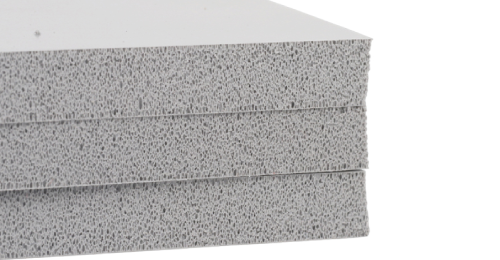
Liquid silicone, a material that performs remarkably well in a wide range of applications, boasts remarkable compressive deformation resistance and can stably maintain pressure, fill and seal irregular gaps. Compared to other materials, liquid silicone possesses more durable and long-lasting properties and will not be destroyed or deformed due to compression pressure and temperature changes during extended use. This filling material is not only flexible and reliable but also can adapt to various manufacturing tolerance or environmental changes that may occur during operation, making it an excellent choice.
Aircraft Interiors
Liquid Silicone is ideal for filling gaps in aircraft interiors such as cockpit, cabin and lavatories. It provides a non-toxic, flexible and durable sealant for these areas.
Automotive Interiors
Gap filling with Liquid Silicone can be used to provide a seamless look for the dashboard, seats, door handles and other interior surfaces. This improves the overall quality of the interior and provides a comfortable environment for the passengers.
Automotive Exterior
Liquid Silicone is also useful in gap filling for the car's bodywork as it improves the aerodynamics and the performance of the vehicle. It can be used to help reduce wind resistance, improve fuel efficiency, and improve the vehicle's overall performance.
Hybrid Car Battery Pack
The battery pack of a hybrid car can be filled with Liquid Silicone to improve its insulation capacity as well as prevent any possible leaks of the electrolyte or other chemical substances. This enhances the safety of the car.
Industrial Applications
Liquid silicone is its ability to fill in even the smallest of gaps and voids, which makes it particularly useful in a variety of industrial applications. For example, it can be used to seal joints and gaps in HVAC units, machinery, and other equipment to prevent leaks and improve efficiency.
Train Gap Filling
In the railroad industry, liquid silicone is commonly used to fill in gaps and crevices between railway tracks and other infrastructure. This helps to prevent debris and other materials from collecting in these areas, which can cause damage to the tracks over time.